When you think of Finnish food, it might conjure images of hearty stews and fresh fish, but it’s so much more. Finland’s food culture is a tapestry woven from its deep forests, clear lakes, and the resilient spirit of its people. This blog is for anyone curious about the authentic flavors of Finnish cuisine – whether you’re a local looking to rediscover your culinary heritage, an expat missing the taste of home, or a traveler planning your next adventure.
Finland’s food culture is a harmonious blend of tradition and innovation. Rooted in the country’s vast landscapes and harsh climate, Finnish cuisine is about making the most of what the land and seasons offer. It’s about the simplicity of rye bread, the comfort of a warm salmon soup, and the freshness of berries picked straight from the forest. But it’s also about the modern twists and turns that chefs and home cooks alike are bringing to these traditional dishes.
Why should you care about Finland’s food culture?
It’s not just about filling your belly. It’s about understanding a country and its people. Food is a language spoken in universal flavors and textures, and Finnish food tells a story of survival, adaptation, and beauty. It’s about the communal spirit of sharing a meal during the long, dark winters or the joy of a summer barbecue by the lake.
As we dive into the heart of Finnish food culture, we’ll explore the traditional dishes that have stood the test of time and the innovative chefs who are redefining what Finnish food means today. We’ll learn about the ingredients that are the soul of Finnish cooking and discover how you can experience these flavors for yourself, whether you’re walking through a market in Helsinki or browsing the menus on FinlandFoodMenu.
Stay tuned as we uncover the secrets of Finland’s culinary world, one delicious bite at a time. It’s not just a journey for your taste buds, but a voyage into the heart of Finland itself.
Understanding Finland Food Culture
Finland’s food culture is as rich and varied as its landscapes. From the icy shores of the Baltic Sea to the dense forests and rolling fens, Finnish cuisine is a reflection of the environment from which it springs. It’s a story of resilience, innovation, and profound respect for nature. This section is an invitation to understand the core of Finnish culinary traditions and how they have evolved over time.
The Foundations of Finnish Food
The bedrock of Finnish food is simplicity and necessity. The long, cold winters and short growing seasons have historically dictated a diet based on preservation and resourcefulness. Root vegetables like potatoes, carrots, and turnips; grains such as rye and barley; and an abundance of fish and game have shaped Finnish meals for centuries. Dishes are often straightforward, highlighting the natural flavors of these fresh, local ingredients.
Historical Influences
Finland’s culinary landscape has been shaped by its neighbors and historical events. Swedish and Russian influences are evident in the use of spices and techniques, while the age of exploration brought new ingredients like potatoes and coffee, which have become staples. Finnish food is a chronicle of these influences, blending them with indigenous practices to create a unique food culture.

Geography and Climate: A Taste of the Land and Sea
The vast forests, clear lakes, and the Baltic coast provide a bounty that is directly reflected in the national dish. Fish such as salmon, perch, and herring are central, often smoked, salted, or served in soups. Game including elk, reindeer, and grouse feature prominently, especially in more rural areas. Berries and mushrooms are foraged from the woods, infusing dishes with the taste of the wild Finnish landscape.
Social and Cultural Significance
In Finland, food is more than sustenance—it’s a reason to gather and celebrate. Traditional festivals often revolve around specific dishes, such as crayfish parties in late summer or the Finnish Christmas food, featuring an array of special treats. The Finnish coffee break, known as “kahvi,” is a daily ritual that underscores the culture’s appreciation for life’s quieter moments.
As we navigate through the flavors and stories of Finland’s food culture, we come to appreciate the deep connection between the land, its seasons, and the food on the Finnish table. It’s a testament to the creativity and fortitude of the Finnish people, who have taken the gifts of their land and turned them into a rich, evolving tapestry of tastes.
Finland Traditional Food
At the heart of Finnish cuisine are the traditional dishes that have nourished generations. These recipes speak of the country’s endurance and love for its natural bounty. They are tales of the forest, lake, and sea, brought to the table with pride and care.
Karelian Pasties – A National Treasure
Karelian pasties (Karjalanpiirakat) are perhaps the most iconic of all Finnish foods. These rye crust pies filled with rice, potato, or carrot mixture are a testament to Finnish ingenuity and taste. Originally from the region of Karelia, these pasties have become a beloved snack or meal throughout the country. Their distinctive boat shape and ruffled edges are a familiar sight, often enjoyed with a spread of egg butter.
Finnish Fish Dishes – From Lake to Plate
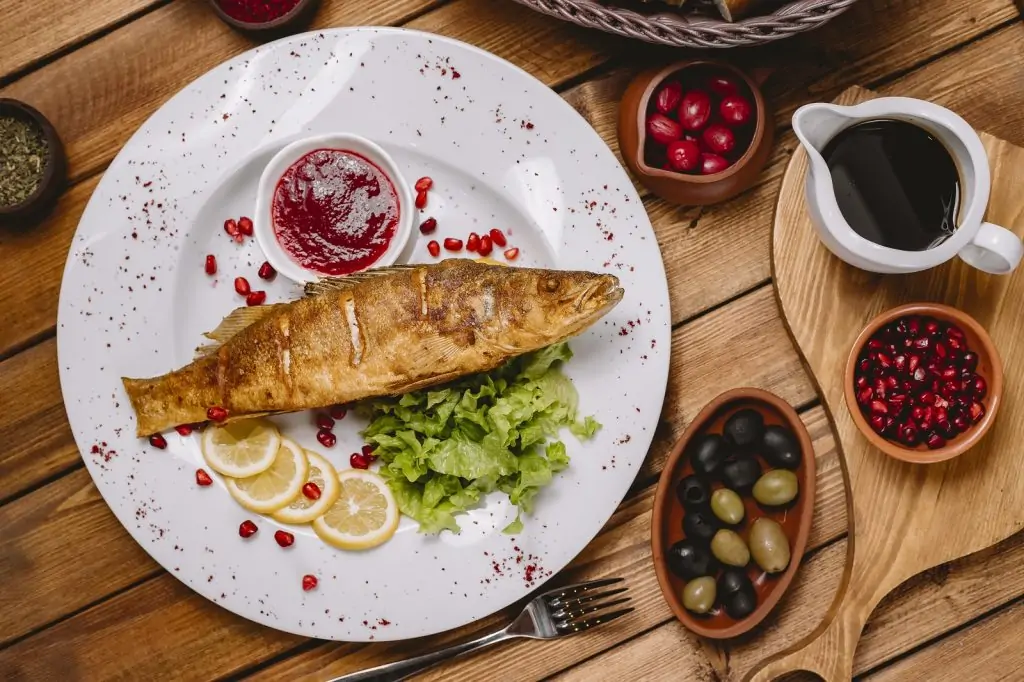
Finland’s lakes and coastal waters are teeming with fish, making it a staple in the Finnish diet. Salmon, perch, and herring are just a few that are commonly found on Finnish tables. Smoked salmon (savulohi) is particularly cherished, whether served on bread or as part of a more elaborate dish. Fish soups, like the creamy salmon soup (lohikeitto), are a comforting presence throughout the year, particularly during the cold months.
Reindeer – A Taste of the North
Reindeer is not just an exotic idea but a real part of the diet in northern Finland. This lean meat is often served as sautéed reindeer (poronkäristys), a rich and hearty dish usually accompanied by mashed potatoes and lingonberry sauce. It’s a taste of Lapland’s wild, open spaces and a true delicacy that embodies the spirit of the Finnish wilderness.
Seasonal and Regional Variations
While some Finnish dishes are enjoyed nationwide, many recipes vary by region and season. Summer brings a bounty of fresh berries and mushrooms, while autumn is the time for wild game. The coastal areas have their distinct seafood traditions, while inland regions might focus more on dairy and forest produce. This diversity ensures that Finnish cuisine is continually evolving and adapting, yet always remains true to its roots.
Embracing Tradition in Modern Times
Despite the influx of global cuisines, traditional Finnish dishes maintain a steadfast place at the table. They are a link to the past and a source of national pride. Modern Finnish chefs and home cooks alike are finding ways to honor these traditions while also infusing them with new life, ensuring that the heart of Finnish cuisine continues to beat strongly in kitchens across the country.
As we delve into these traditional dishes, remember that each one carries the flavor of Finland’s history and the love of its people for their land. They invite you to experience Finland not just as a place, but as a taste and a feeling.
The Modern Twist on Traditional Finnish Food
In recent years, Finnish cuisine has experienced a renaissance, with chefs and food enthusiasts exploring innovative ways to reinterpret traditional dishes. This movement isn’t about abandoning the past; rather, it’s about celebrating and revitalizing it with a modern twist.

The Influence of International Cuisines
Finland’s food scene is becoming increasingly cosmopolitan, with influences from around the globe making their mark. Finnish chefs are incorporating techniques and flavors from other cuisines while still grounding their dishes in the familiar tastes of Finland. This fusion approach has led to a creative explosion in restaurants and homes alike, making Finnish dining more diverse and intriguing than ever.
Spotlight on Contemporary Finnish Chefs
A new generation of Finnish chefs is gaining international recognition for their innovative approaches to traditional Finnish dishes. They are using local, seasonal ingredients to craft meals that are visually stunning and palate-expanding while still paying homage to the roots of Finnish cuisine. These culinary artists are not just cooks; they’re ambassadors of Finnish culture, showing the world the potential and versatility of Finnish food.
Adapting Traditional Foods for Modern Palates
As lifestyles and dietary preferences change, so too does the approach to traditional Finnish food. Health-conscious cooking methods, vegetarian adaptations of classic dishes, and a focus on sustainability are all part of the modern Finnish culinary landscape. Traditional ingredients are being reimagined in lighter, more contemporary dishes that appeal to a broader range of tastes and health considerations.
The Role of Technology and Innovation
From state-of-the-art kitchen appliances to innovative food preservation techniques, technology is playing a key role in the evolution of Finnish cuisine. Chefs and home cooks alike are experimenting with new ways to enhance flavors, textures, and nutritional value, bringing Finnish food into the 21st century without losing sight of its heritage.
This section of our culinary journey highlights the dynamic and ever-evolving nature of Finnish food culture. It’s an exciting time for Finnish cuisine, with a respect for tradition fueling a passion for innovation. As you explore modern Finnish dishes, you’re not just tasting food; you’re experiencing a living, breathing art form that continues to grow and surprise.
Experiencing Finnish Food Culture

Finnish food culture offers an array of experiences that go beyond the dining table. It’s a journey into a lifestyle that values freshness, simplicity, and the communal joy of eating. Whether you’re strolling through a lively market in Helsinki or sitting down at a local eatery, understanding how to navigate and appreciate Finnish cuisine is key to truly experiencing it.
Navigating Finnish Restaurant Menus
Understanding Finnish restaurants menus can be a delightful challenge. Restaurants often feature a mix of traditional and contemporary dishes, each with its unique twist. Look for seasonal specials that showcase the freshest ingredients. If you’re unsure about a dish, don’t hesitate to ask for recommendations. Finnish people are proud of their culinary heritage and usually more than happy to share their favorite dishes and the stories behind them.
Tips for Ordering Traditional Finnish Food
When ordering Finnish food, consider the balance of flavors and textures. Traditional dishes often feature a combination of savory, sour, and sweet, with a focus on natural, earthy tones. Don’t shy away from unfamiliar ingredients like reindeer or wild mushrooms – these are staples of the Finnish diet and offer a true taste of the country’s culinary breadth.
A Guide to Food Festivals and Events
Finland hosts a variety of food festivals and events throughout the year, celebrating everything from specific ingredients to regional cuisines. Participating in these events is a fantastic way to dive deep into Finnish food culture. From the Helsinki Food Carnival to the Turku Food and Wine Fair, there’s always an event that caters to the curious foodie.
The Importance of Seasonality
In Finland, the changing seasons dramatically influence what’s on the menu. Summer is a time for fresh berries, vegetables, and fish, while autumn brings game and forest mushrooms. Winter dishes are heartier, featuring preserved foods and warming spices. Understanding this seasonality will enhance your appreciation of Finnish food and its deep connection to the natural world.
Bringing Finnish Food Home
For those inspired to bring the flavors of Finland into their kitchens, there are plenty of resources available. Finnish cookbooks and online recipes can guide you in recreating traditional dishes or adding a Finnish twist to your meals. Cooking Finnish food at home is a rewarding way to connect with the culture and share it with friends and family.
Finnish cuisine is an expression of the country’s history, environment, and soul. By engaging with it, you’re not just feeding your body; you’re nourishing your understanding of a rich and vibrant culture.
Why Embrace Finland Food Culture?

Finland’s food culture is a reflection of its people, landscape, and history. It offers a unique blend of tradition and innovation that speaks to anyone looking for a genuine, grounded culinary experience. This section delves into the reasons why embracing Finnish food culture can enrich your life and provide a deeper understanding of what it means to eat well.
Health and Wellbeing
Finnish cuisine is known for its use of fresh, natural ingredients. From fish rich in omega-3 fatty acids to antioxidant-packed berries, the staples of Finnish food promote health and wellbeing. The traditional diet, with its emphasis on whole grains, lean meats, and seasonal produce, aligns well with modern nutritional ideals. By embracing Finnish food culture, you’re not just enjoying delicious meals; you’re nurturing your body with wholesome, nutritious foods.
Connection to Nature
Eating Finnish food is a way to connect with the country’s beautiful, pristine environment. Foraging for mushrooms and berries, fishing in the thousands of lakes, and hunting in the vast forests are activities deeply ingrained in the Finnish way of life. These practices encourage a sustainable, respectful approach to nature, highlighting the importance of preserving and cherishing the natural world.
Cultural Preservation and Innovation
Food is a powerful means of cultural expression and preservation. Finland traditional food carry the stories and spirits of the past, while contemporary interpretations keep the cuisine vibrant and relevant. By embracing Finnish food culture, you’re participating in a living tradition that values both roots and growth. You’re also supporting local producers and chefs who are passionate about bringing the best of Finland to the table.
Social and Communal Aspect
Food in Finland is more than sustenance; it’s a reason to gather and share. Meals are often communal affairs, whether it’s a family dinner, a summer barbecue, or a coffee break with friends. Embracing Finnish food culture means embracing a sense of community and togetherness, fostering relationships, and creating memories around the table.
Sustainability
Finnish cuisine’s emphasis on local and seasonal ingredients is not just a nod to tradition; it’s a sustainable way of eating. By preferring foods that are grown and produced nearby, you’re reducing your carbon footprint and supporting the local economy. Finnish food culture promotes a holistic, ethical approach to eating that benefits both people and the planet.
In embracing Finland’s food culture, you’re not just trying new foods; you’re immersing yourself in a way of life that honors health, nature, community, and sustainability. It’s an opportunity to expand your culinary horizons and connect with a rich, rewarding tradition that has much to offer to both locals and visitors alike.
Conclusion
As we wrap up our exploration of Finnish food culture and traditional food, it’s clear that this journey has been about more than just dishes and ingredients. It’s been an immersion into a way of life that celebrates the simplicity, purity, and communal spirit of Finland.


