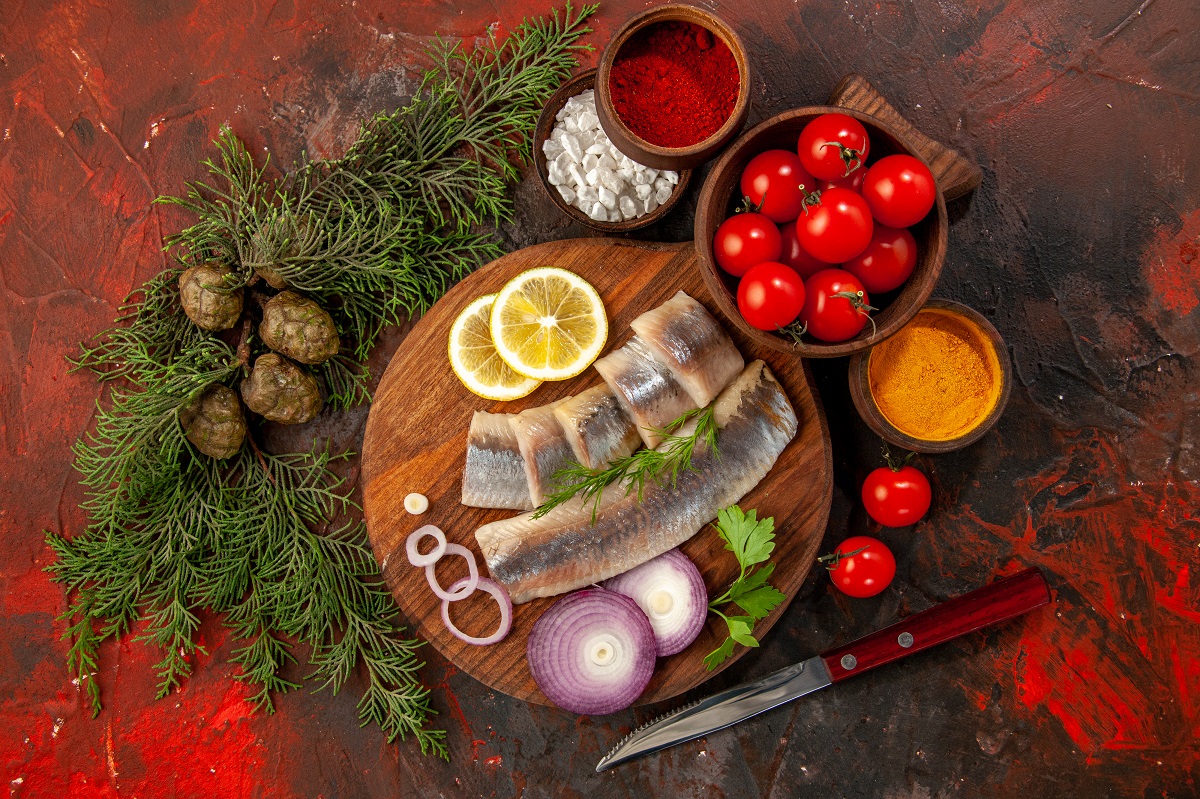
In the land of the midnight sun, where fjords weave through majestic landscapes, and history whispers tales of seafaring warriors, the Vikings stand as enduring symbols of adventure and resilience. Yet, beyond the clashing of swords and the echoing sea shanties, the heart of Viking culture resides in a realm that tantalizes the senses – their food.
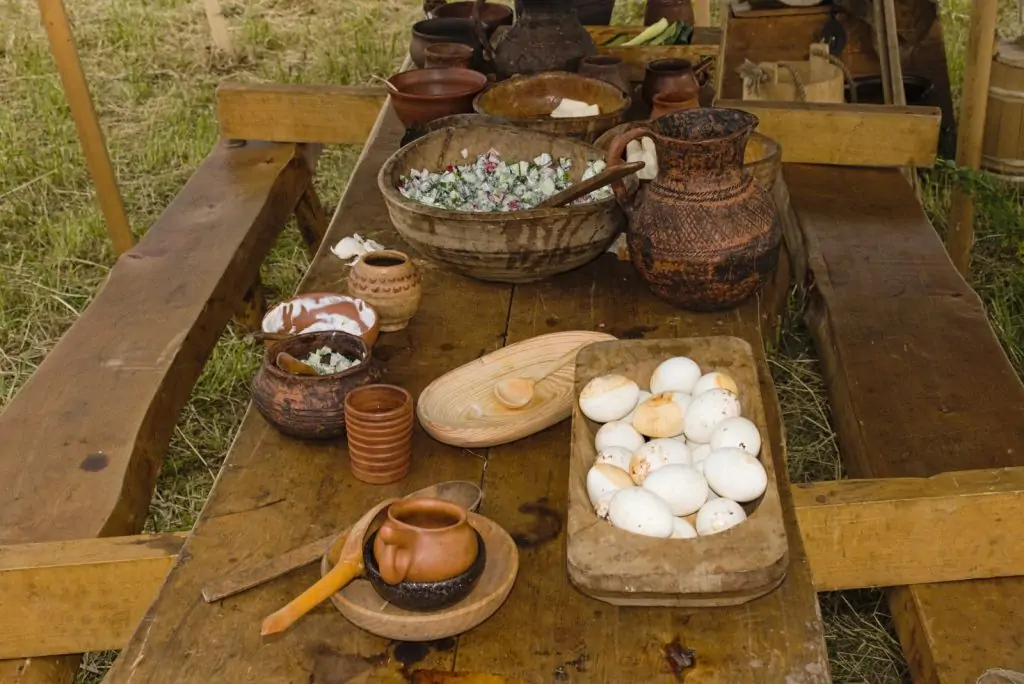
As we delve into the culinary traditions of the Vikings, imagine standing on the rocky shores of Scandinavia, the crisp sea breeze carrying whispers of sagas. The setting is a rustic feast, where laughter mingles with the aroma of hearty dishes cooked over open flames. Here, the importance of sustenance in the Viking world becomes not just a necessity but a celebration of life.
Viking food is a realm where simplicity meets sustenance, where each dish tells a story of survival and adaptation. The intrigue lies not just in the ingredients they used but in the cultural significance woven into every meal.
Understanding Viking Food Habits
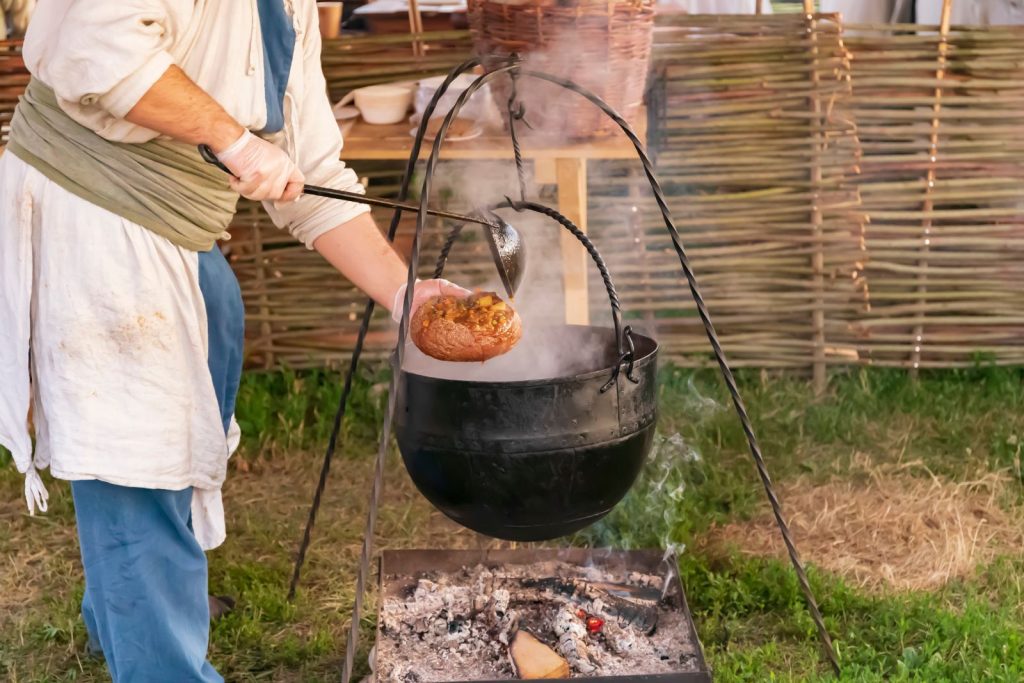
In the heart of Viking daily life, sustenance was not merely a means of survival; it was a celebration of resilience and community.
Dietary Staples

The Vikings, with their seafaring lifestyle, crafted a diet rooted in simplicity and nutritional value. Fish, a plentiful resource from the surrounding waters, found its way onto their tables in various forms – grilled, smoked, or dried. Meat, often sourced from domesticated animals and game, provided the protein necessary for their adventurous pursuits.
Grains and Dairy

To complement their protein-rich diet, Vikings turned to grains and dairy. Barley, a hardy and versatile grain, was a common presence, forming the basis of porridges and bread. Dairy, sourced from domesticated animals, contributed to both sustenance and flavor.
Culinary Adaptations

The Vikings’ resourcefulness extended to their culinary endeavors. Preserving methods like smoking and drying ensured the availability of food during long sea voyages and harsh winters.
In understanding Viking food habits, we uncover more than just a menu – we unveil a way of life. Join us as we explore the daily rituals of the Vikings, where every meal is a testament to resilience, adaptability, and the shared warmth of community.
Viking Food Names and List
As we journey through Viking culinary history, we encounter a linguistic tapestry woven with rich and meaningful names for their dishes.
1 – Rømmegrøt – The Creamy Embrace

Let’s start with “Rømmegrøt,” a name that rolls off the tongue like a Nordic lullaby. Translated as “sour cream porridge,” this dish embodies comfort and sustenance.
2 – Svartbrød – Dark Delights

Moving on to “Svartbrød,” a name that conjures visions of dark forests and ancient mysteries. Translating to “black bread,” this staple in Viking households was both hearty and symbolic.
3 – Mjöðr – Nectar of the Gods

No exploration of Viking food names is complete without mentioning “Mjöðr,” the nectar that fueled their revelries. Known as mead, this fermented honey beverage carried with it the essence of celebration and camaraderie.
4 – Fish – Bounty from the Seas

At the heart of Viking coastal life, fish reigned supreme on their tables. Whether freshly grilled on open flames or preserved for longer journeys, fish like herring, salmon, and cod were integral to their diet.
5 – Meat – From Hunt and Hearth

Vikings sourced meat from domesticated animals and game alike. Lamb, pork, and game meats found their way onto their tables, often roasted over open fires or prepared in hearty stews.
6 – Grains – The Heartiness of Barley

Grains, particularly barley, were the sturdy foundation of Viking sustenance. Used in porridge and bread, barley provided a reliable source of energy for their active lifestyles.
7 – Dairy – Nourishment from the Herd

Dairy, sourced from domesticated animals like goats and cows, added richness to Viking meals. Cheese, butter, and fermented products were not just sources of nutrition but also flavorful additions to their daily fare.
The names of Viking dishes were not merely labels; they were bridges connecting the language of the Norse people with the flavors that defined their daily lives, illustrating the linguistic journey that added layers of meaning to each meal.
What did Vikings Eat for Breakfast?
Ever wondered what fueled the mighty Vikings at the start of their day? Well, let’s set sail into the past and explore the hearty breakfast choices that fueled these seafaring warriors. Vikings, hailing from the rugged landscapes of Scandinavia, began their mornings with robust and sustaining meals. A staple in their breakfast repertoire was a hearty porridge made from barley, oats, or rye. This not only provided a solid foundation for their daily adventures but also reflected the resilience of these Norse explorers. Accompanying the porridge were often fruits, nuts, and a dollop of honey, infusing their breakfast with a natural sweetness. It’s fascinating to imagine these warriors gearing up for their exploits with a breakfast that balanced strength and endurance.
For those planning a visit to Finland, it’s intriguing to delve into the Nordic roots that influenced the country’s culinary traditions. While the FinlandFoodMenu doesn’t transport you back to the Viking age, it does offer a contemporary window into the diverse breakfast options available in modern Finland. Whether you’re a local Finn, an international expat, a student, or a traveler seeking culinary adventures, the platform provides a convenient guide to explore the rich tapestry of Finnish breakfast offerings in the vibrant restaurants nearby. So, whether you’re preparing for your own daily conquests or planning a visit to Finland, the FinlandFoodMenu ensures you’re well-versed in the delightful breakfast choices inspired by the land of the Vikings.
Viking Food Facts that Amaze
As we venture deeper into the culinary realm of the Vikings, prepare to be astonished by the ingenuity and creativity woven into their food culture, where each frame unveils a fascinating facet of Viking gastronomy.
1 – Fermentation Mastery

Vikings were early practitioners of fermentation, harnessing its transformative power in their culinary endeavors. Mead, the famed honey wine, wasn’t just a beverage; it was a symbol of celebration and community.
2 – Preservation Prowess

Living in a harsh climate, Vikings mastered preservation techniques to ensure a steady food supply. Smoking and drying were their go-to methods, allowing them to savor the flavors of fish and meat during long sea voyages and winter months.
3 – Foraging Feats

Vikings were adept foragers, relying on the bounty of the land to enhance their meals. Wild berries, mushrooms, and herbs added nuances to their dishes, infusing a touch of the untamed wilderness into their culinary creations.
4 – Communal Cooking

The communal hearth wasn’t just a source of warmth; it served as the beating heart of Viking homes. Here, families gathered to cook, share stories, and forge bonds over meals.
5 – Innovative Ingredients

Vikings embraced a diverse range of ingredients, some of which might surprise modern palates. Seaweed, a rich source of nutrients, found its way into their meals, showcasing their willingness to explore unconventional flavors.
In exploring these fascinating Viking food facts, we not only unravel the intricacies of their culinary techniques but also pay homage to a legacy of innovation and adaptation. Join us in celebrating the Vikings’ culinary prowess, where every meal was a testament to resilience, creativity, and the enduring spirit of exploration.
FAQS Related to Vikings Food
Vikings maintained a diet centered around fish, meat, grains, and dairy. Their staples included herring, salmon, and cod for fish; lamb, pork, and game meats for meat; barley for grains; and dairy from domesticated animals.
Vikings, known for their robust and hearty diet, did not have a tradition of consuming spicy foods as we might understand them today. Their culinary focus leaned towards the natural flavors of fish, meats, grains, and dairy, often prepared with simple seasonings. While their dishes may not have been spicy by our contemporary standards, they certainly celebrated the richness of their locally sourced ingredients, creating a distinctive and flavorful cuisine.
Five intriguing facts include their advanced shipbuilding skills, distinctive Norse mythology, democratic societal structures, extensive trade networks, and the use of a unique runic writing system known as Futhark.
Vikings, like brave adventurers, relied on a diet rich in fish, meat, grains, and dairy. Picture Viking kids enjoying hearty meals of grilled fish, roasted meat, barley porridge, and dairy products. This diet not only fueled their youthful exuberance but also formed the basis of their seafaring and exploration.
While desserts, as we know them today, weren’t a prominent part of Viking cuisine, they did indulge in sweet treats. Honey played a central role, often drizzled over flatbreads or incorporated into beverages like mead. Their culinary creativity extended to sweetening their meals with nature’s bounty.
Conclusion
In wrapping up our journey through the gastronomic history of the Vikings, we find ourselves at a crossroads of flavors and tales. From the simplicity of daily sustenance to the awe-inspiring creativity in preservation and fermentation, the Vikings’ culinary legacy is a testament to resilience and adaptability. As we bid farewell to this culinary odyssey, let the echoes of communal hearths and the clinking of drinking horns linger. Embrace the invitation to explore Viking-inspired dishes on FinlandFoodMenu, where every click propels you into a delicious continuum of history and tradition. Join us in celebrating the enduring spirit of the Vikings through the savory lens of their timeless cuisine.